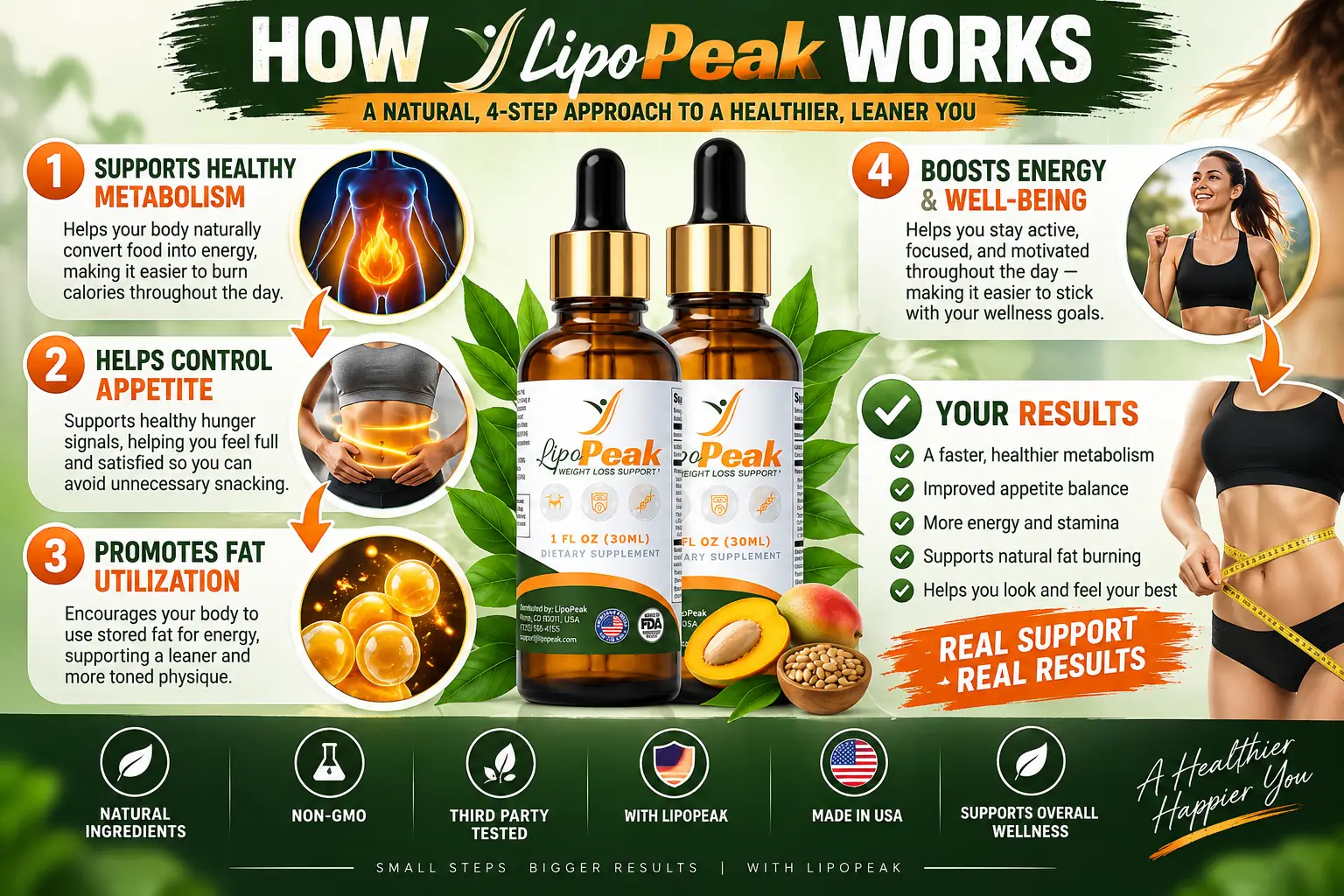
"My metabolism just isn't what it used to be" is one of the most common things people say about weight management — and it's not just an excuse. There's real biology behind it, and understanding it changes how you approach fixing it.
What Actually Happens
Resting metabolic rate — the calories your body burns just existing — gradually declines with age, partly due to natural shifts in muscle mass and hormonal changes. Blood sugar regulation also tends to become less efficient over time, which drives more frequent cravings and energy crashes.
Why Willpower Isn't The Whole Story
When hunger hormones misfire and mitochondrial energy output drops, the body is working against you at a biological level — no amount of discipline fully compensates for that. This is part of why the same diet that worked in your 20s can stop working by your 40s.
Where Nutrition Fits
Ingredients like Green Tea EGCG and Cayenne Pepper are studied for their relationship to thermogenesis — the process of burning calories as heat. Chromium Picolinate targets the blood-sugar side, while L-Carnitine supports the final step of actually converting mobilized fat into usable energy.
The Honest Takeaway
No supplement replaces diet and exercise. But nutritional support that targets the specific biological mechanisms behind a slowing metabolism — rather than just "eat less, move more" — can make consistency easier to sustain.